
Apartment Buildings
Controlling Pests Across Multiple Units and Floors
Apartment Building Pest Control in Long Island for landlords managing infestations that spread through utility chases and shared spaces
Cockroaches discovered in a third-floor kitchen often nest two floors below in a utility closet, and mice reported in one unit typically forage across four others before tenants notice droppings. A A A Abco Termite & Pest Control Inc provides pest management for apartment buildings in Long Island where the volume of units, shared plumbing and electrical systems, and continuous tenant turnover create conditions that allow German cockroaches, rodents, and ants to establish populations that survive standard single-unit treatments. Property managers and landlords need an approach that addresses how pests move vertically through riser chases, horizontally through wall voids, and into units from poorly sealed entry doors and trash collection areas.
Apartment pest control requires treating the building as a single connected system rather than isolated units, because cockroaches travel through wall voids at night to access kitchens three units away, and rodents use the same pathways repeatedly once they locate food sources in tenant pantries or common-area break rooms. Inspections focus on areas tenants don't see: boiler rooms, electrical rooms, trash chutes, laundry facilities, and exterior loading docks where pests enter before dispersing throughout the structure.
Request a building-wide inspection to identify how pests are entering and moving between floors and units.
How Apartment Building Treatment Prevents Recurring Infestations
The service begins with a floor-by-floor assessment documenting pest activity in occupied units, vacant units, common areas, utility spaces, and the exterior perimeter, then maps treatment zones based on where cockroaches are breeding, where rodents are nesting, and what pathways connect active infestation sites. Treatment combines gel baiting in kitchens and bathrooms where moisture attracts German cockroaches, rodent control in basements and behind appliances in vacant units, and exterior perimeter work preventing ants from trailing into ground-floor apartments during warm months across Nassau County and Suffolk County.
After comprehensive treatment, cockroach sightings stop in previously infested units, rodent activity ceases in common areas and storage rooms, and ant trails no longer reappear along baseboards near entry doors. The difference becomes clear when tenants stop reporting pests and maintenance staff no longer find droppings in utility closets during routine checks.
Preventative pest management includes monthly or quarterly monitoring depending on building size and history, with service targeting high-risk areas like trash rooms, laundry facilities, and mechanical spaces where pests establish harborage before spreading to tenant units. Documentation tracks which floors and units required treatment, what conditions contributed to pest pressure, and what maintenance issues need correction to prevent reentry.
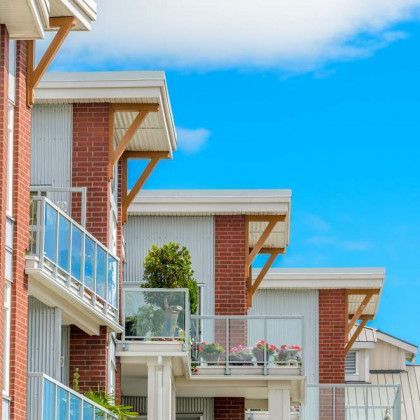
A A A Abco Termite & Pest Control Inc develops customized pest management programs for apartment buildings across Long Island, addressing the specific challenges of multi-floor properties and high-density housing. Reach out to establish a treatment schedule and monitoring protocol that prevents small problems from becoming building-wide infestations.
Questions Landlords Ask About Building-Wide Pest Control
Apartment building pest management involves coordination across multiple units and understanding how infestations develop in multi-floor structures. Property managers handling buildings in Long Island benefit from clear answers about treatment logistics and tenant responsibilities.
How do cockroaches spread so quickly through an apartment building? German cockroaches follow plumbing lines and electrical conduits between units, traveling through wall voids at night to access kitchens and bathrooms on different floors, which is why treating only the reporting unit allows the infestation to persist in adjacent spaces.
What causes rodent problems in buildings where tenants never see mice? Mice nest inside wall voids, above drop ceilings, and in utility areas where they remain hidden, then forage in tenant units at night when activity is low, meaning droppings or chewed food packaging are often the first visible signs of an established population.
Why do ants keep appearing in first-floor units near entrances? Pavement ants and odorous house ants nest in soil beneath sidewalks and foundation slabs outside Long Island apartment buildings, then follow expansion joints and cracks indoors, requiring exterior perimeter treatment to eliminate colonies before they reach tenant spaces.
Can pest control be done without disrupting tenants or requiring unit access? Initial inspection requires access to occupied units showing activity plus vacant units and common areas, but ongoing maintenance focuses on common spaces, utility areas, and exterior zones, with unit-specific treatment scheduled only when new activity is reported.
How often should an apartment building receive pest control service? A A A Abco Termite & Pest Control Inc recommends monthly service for buildings with recurring issues or high tenant turnover, and quarterly service for properties with stable occupancy and no active infestations, adjusted based on seasonal pest pressure across Long Island.